
Choose the right personalized watch band: leather, metal, or fabric for your wrist
Why does your strap material matter more than you think?
You spend real money on a watch. Then you clip it onto whatever strap came in the box and forget about it. That's the quiet mistake most watch owners make, and it shapes how the piece looks, feels, and lasts every single day. The material of your strap is not just an aesthetic decision. It affects comfort against your wrist, how well the watch survives your routine, and whether the whole thing reads as intentional or accidental.
When you go personalized, the stakes rise. A custom engraved case or a dial with a meaningful color deserves a strap that carries that intention all the way through. So which material actually delivers? Leather straps, metal bracelets, and fabric straps each come with real strengths and genuine trade-offs. Here is how they compare across the things that matter.
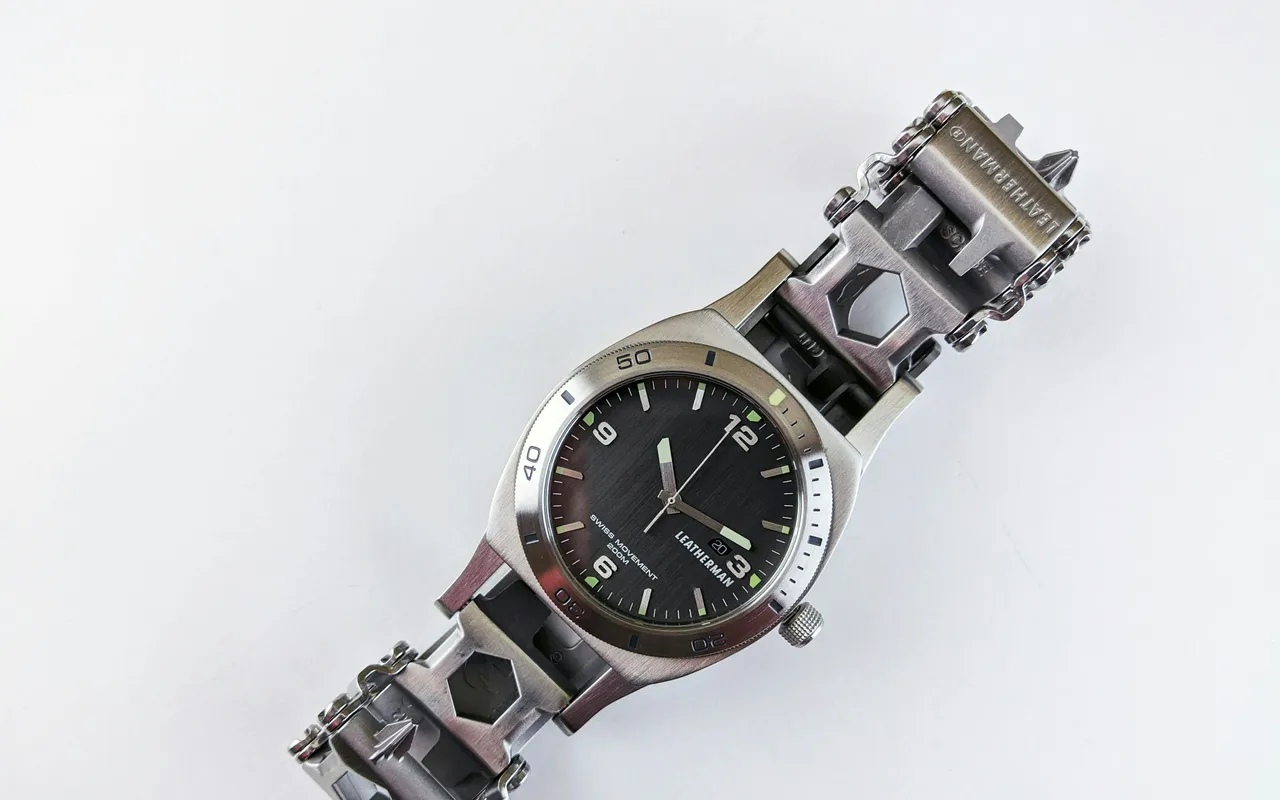
Should I get a metal or leather watch band?
This is the most common fork in the road for anyone building a personalized watch. Metal bracelets and leather straps represent two completely different philosophies about what a watch should feel like on your wrist.
Metal bracelets, typically stainless steel or titanium, are built for longevity. They handle water, sweat, and daily knocks without showing much wear over time. For watches worn in active or professional environments, a metal bracelet reads as polished and substantial. The weight is part of the appeal for many wearers. That said, metal straps can pinch wrist hair, feel cold in winter, and require precise sizing to sit right. Adjusting a metal bracelet at home takes a pin tool and patience, and getting it wrong means rattling or pressure marks.
Leather straps carry a warmth that metal simply cannot replicate. A well-made leather watch strap molds to your wrist over weeks of wear, softening and conforming until it feels like it was made specifically for you. For personalized watches, leather opens up far more customization options: hand-stitched edges, exotic textures, custom colors, embossed initials. The fit feels immediate and natural. The look reads as considered. The downside is that leather and water are poor companions. Sweat accelerates aging, and regular exposure to moisture can crack or warp even quality hides.
What are the downsides of wearing a leather watch band?
Leather straps are genuinely beautiful and they age with character, but there are real compromises worth naming before you commit.
First, the water problem. Leather straps are not water-resistant in any meaningful sense. A caught rainstorm or a sweaty summer commute will not destroy a good strap immediately, but repeated moisture exposure shortens their life considerably. You can apply leather conditioner regularly to slow degradation, and some modern treated leathers handle light moisture better than traditional vegetable-tanned options, but the vulnerability remains.
Second, leather straps require more care than metal or fabric alternatives. They benefit from conditioning, proper storage away from direct sunlight, and rotation with other straps to reduce constant wear. A neglected leather strap can crack, stiffen, or develop an unpleasant odor from sweat absorption. None of this is catastrophic, but it asks more from you than a metal bracelet ever will.
Third, the lifespan is shorter. A quality metal bracelet on a well-maintained watch can outlast the watch itself. Leather straps, even premium ones, typically show significant aging after one to three years of daily wear. For some collectors, that patina is the point. For others, it means recurring replacement costs.
Are leather watch bands actually classy?
Without question. Leather straps have anchored formal and dress watch aesthetics for over a century, and that association holds firm. A slim brown or black leather strap on a clean dial is still the default choice for watches worn to formal occasions, business settings, and anything where the watch is meant to complement rather than compete. The texture, the stitching, the way leather catches light differently than metal, all of these things contribute to a look that feels intentional and refined.
For personalized watches specifically, leather straps offer something metal and fabric cannot: visible craft. A hand-stitched strap with contrasting thread, a custom color matched to a dial accent, or an embossed pattern transforms the strap into part of the story. It signals that the wearer thought about every detail, not just the case.
That said, classy is context-dependent. A steel bracelet on a sport watch is exactly right for its setting. Style is about coherence, and leather straps deliver that coherence most reliably in dress and casual-dress contexts. Forcing a leather strap onto a dive watch for a formal dinner works in theory but can look mismatched in practice.
What is the best material for a watch band if you want versatility?
Fabric straps deserve more attention than they usually get in this conversation. NATO-style nylon straps, canvas straps, and woven fabric options have become serious choices for personalized watches, especially in the Seiko mod and custom watch communities where quick-swap versatility is part of the whole point.
Fabric straps are lightweight, breathable, and far more water-resistant than leather. They handle sweat, splashes, and outdoor wear without degrading quickly. They dry fast, they are easy to wash, and they come in an almost unlimited range of colors and patterns, making them one of the most flexible options for customization. A striped NATO strap can completely change the character of a watch, pulling out a color from the dial or shifting the whole piece from formal to casual with a single swap.
The trade-off with fabric straps is that they can look less refined than both leather straps and metal bracelets in formal settings. They also tend to fray at the edges over time, particularly at the buckle holes. The hardware on fabric straps is often simpler, which can feel out of place on a higher-end watch.
So which material wins? It depends entirely on how and where you wear your watches. For dress and personalized statement pieces, leather straps remain the most expressive and elegant choice. For active daily wear and sport watches, metal bracelets offer durability and a clean look that holds up over years. For versatile, colorful, and casual customization, fabric straps punch well above their price point and are genuinely underrated.
Which combination actually works best for most wearers?
Most watch enthusiasts end up with all three materials in their strap drawer, and that is probably the right answer. A single watch can wear completely differently across a leather strap, a metal bracelet, and a fabric strap, which means one watch can serve multiple contexts without redundancy. This is especially true for automatic watches and Seiko mods, where the case stays constant but the personality shifts entirely with the strap.
If you are building a personalized watch and can only choose one strap to start, consider your most common wear scenario. Office and evening wear points firmly toward leather straps, with their warmth, feel, and visual richness. Active and everyday wear points toward metal or fabric depending on whether you want weight and permanence or lightness and color.
The personalized watch band you choose is not a footnote. It is half the watch, and getting that choice right is what separates a piece you reach for every morning from one that sits in a drawer.