
You Wear Your Automatic Watch Every Day — Here Is How to Keep It Running Right
Why Daily Wear Is Actually Good for Your Movement
Roughly 60% of automatic watch owners admit they rarely wear their pieces consistently, leaving them sitting in drawers for weeks at a time. That habit, however well-intentioned, is one of the worst things you can do for a mechanical movement. Automatic watches are built around motion. The rotor inside spins as you move, winding the mainspring and keeping the watch running. When you stop wearing it, the power reserve drains, lubricants settle unevenly, and over years that inactivity quietly accelerates wear.
Wearing your watch every day is not just fine, it is genuinely beneficial for its long-term health. The movement stays lubricated through regular use, the seals remain supple from mild wrist warmth, and you get a real sense of how the watch performs under normal conditions. That said, daily wear only works in your favor when it comes with a basic understanding of what these watches need and what they cannot handle.
What You Should Do Every Single Day
The simplest maintenance habit costs nothing and takes under a minute. After taking your watch off at night, wipe it down with a soft, dry cloth. Skin oils, salt from sweat, and microscopic dust particles accumulate on the case and bracelet faster than most people realize. A gentle pass with a microfiber cloth after every wear prevents that buildup from working its way into the crown area or beneath a deployment clasp, where it can cause real damage over time.
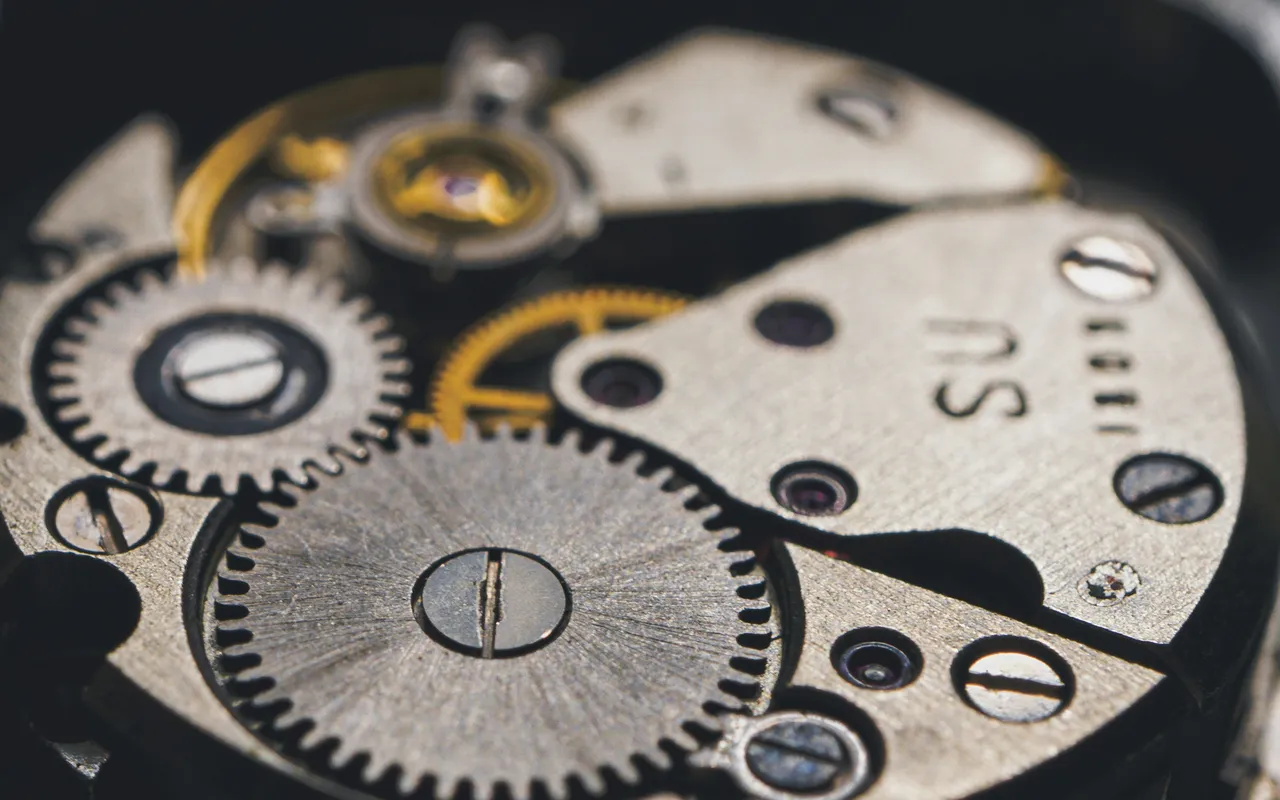
Beyond the cloth, pay attention to how you put the watch on and take it off. Avoid knocking the crown against hard surfaces. The crown is the most mechanically vulnerable external part of any mechanical watch, it connects directly to the movement, and a sharp impact can bend or damage the winding stem. This is not a dramatic risk during normal wear, but it is worth being mindful of when you are at a desk or working with tools.
For storage, a simple watch box with individual cushioned slots keeps your pieces from scratching each other and protects them from dust. You do not need anything expensive. What matters is that watches are not piled together or left face-down on hard surfaces.
Understanding Water Resistance and What It Actually Means
Water resistance is one of the most misunderstood specifications on automatic watches. A rating of 30 meters does not mean you can swim with your watch, it means it can survive a brief splash. Water pressure increases dramatically with movement, so even a 100-meter-rated watch should not be worn for lap swimming unless it is specifically designed for that use.
For daily care, the practical rule is straightforward. Rinse your watch under lukewarm running water after exposure to salt water or chlorine from a pool. Both are corrosive to gaskets and metal over time. Dry it thoroughly with a soft cloth afterward. Never operate the crown underwater, and avoid exposing the watch to steam, which penetrates seals far more aggressively than liquid water.
Seals degrade naturally with age. Even if your watch has never been submerged, the gaskets that protect the movement from moisture need periodic inspection, which brings us to servicing.
When to Service an Automatic Watch and What That Involves
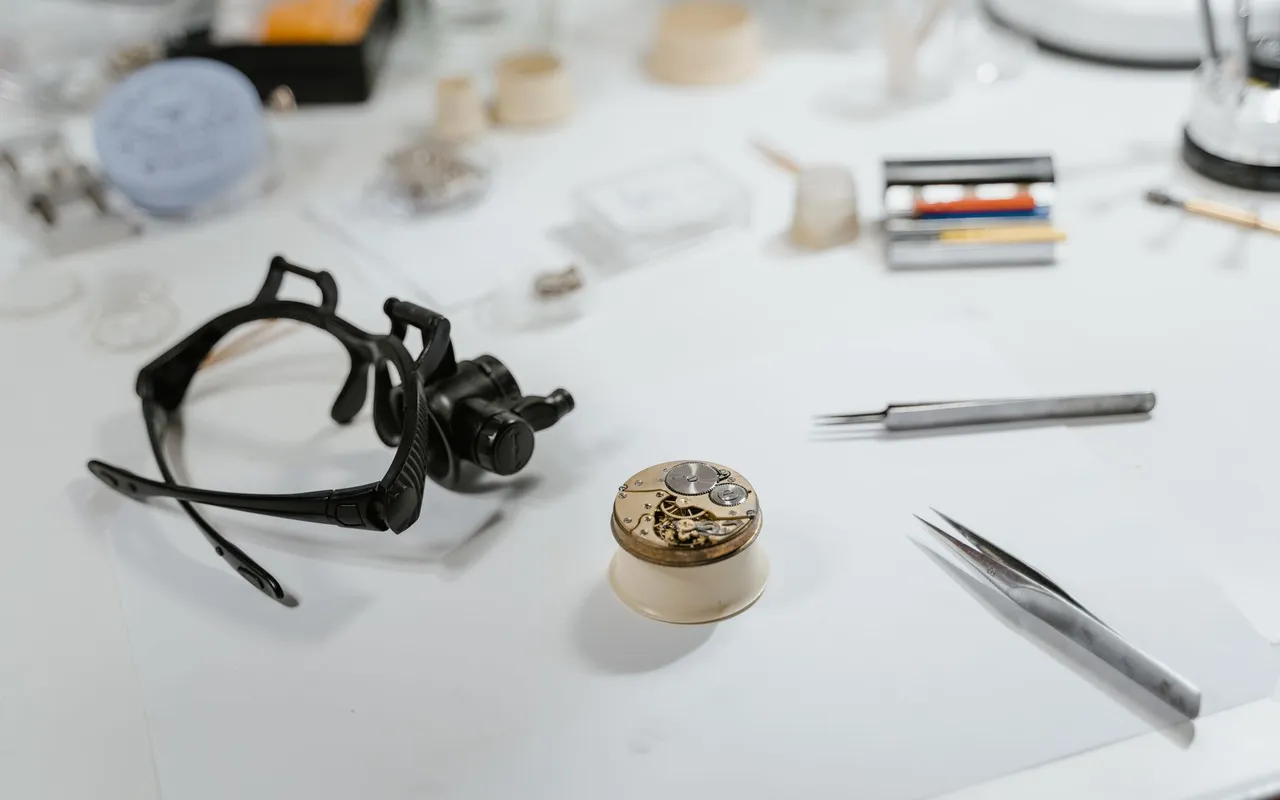
A full service for automatic watches is generally recommended every four to six years, though this varies depending on the brand, the caliber, and how frequently you wear the piece. Some high-quality Swiss movements can run reliably for eight years between services under ideal conditions. What a service involves is more than just cleaning: the watchmaker disassembles the movement, cleans every component ultrasonically, replaces worn parts, re-lubricates everything to manufacturer specifications, and reassembles and times the watch.
Regular servicing is what separates a watch that lasts decades from one that fails quietly and expensively. Skipping service does not just risk accuracy, it risks the movement itself. Dried lubricants become abrasive. Metal-on-metal contact accelerates, and what might have been a straightforward service becomes a costly repair.
If your watch suddenly loses more than a minute per day or gains time erratically, that is a signal to have it checked sooner than the standard interval. Magnetization is another common culprit for erratic timekeeping, and it can affect mechanical watches that spend time near phones, laptop speakers, or induction cooktops. A watchmaker can demagnetize the movement in under a minute.
Cleaning Your Watch at Home Without Causing Damage
For regular at-home cleaning, warm water and a very soft toothbrush work well on metal bracelets and cases, as long as the watch has adequate water resistance for it. The cloth wipe-down handles the case and crystal daily, but the bracelet links trap grime in ways a cloth cannot reach.
One question that comes up often: can you use rubbing alcohol to clean a watch? The short answer is no, not directly on the watch. Alcohol can damage lacquered dials, degrade rubber or leather straps, and strip the protective coatings on some crystals. For a bracelet that needs a deeper clean, mild soap and water is safer and just as effective.
Leather straps need different care entirely. Avoid water on leather as much as possible, condition it occasionally with a product made for leather goods, and rotate it with a second strap if you wear the watch every day. Leather simply degrades faster under constant moisture from the wrist.
For anyone who has built or purchased a personalized watch, whether a full Seiko mod with a custom dial and aftermarket hands or a case swap on a donor movement, the same principles apply. A customized piece requires the same consistent care that protects any unique build from premature wear, and in some cases more attention, since non-original parts may not share the same tolerances as factory components.
How Seiko Mods and Personalized Watches Fit Into Daily Care
Seiko mods have become one of the most accessible entry points into the world of custom automatic watches. The platform is open, parts are widely available, and the movements are robust enough to handle modification without becoming fragile. A modded Seiko SKX or NH35-based build can absolutely be a daily wearer, provided the builder or modifier has paid attention to case back sealing and crown fitment after reassembly.
The care routine for a personalized watch mirrors that of any automatic watch, with one additional consideration: know what is inside your piece. If a custom build uses an aftermarket crystal with a different hardness rating than sapphire, it will scratch more easily. If the case back was resealed with a non-original gasket, water resistance may be lower than the original specification. Understanding what your watch is made of is the first step toward caring for it correctly.
This is also why many people who get into Seiko modding eventually develop a deeper interest in movement maintenance generally. Working on a watch, even just swapping a dial or changing hands, builds familiarity with how these mechanisms are put together and why certain habits, like keeping the crown screwed down or avoiding magnetic fields, actually matter.
A Note on Quartz Watches and Why Automatic Care Is Different
Quartz watches are far more tolerant of neglect. They do not need to be worn regularly, they do not require servicing nearly as often, and their movements are simpler. Mechanical watches, and automatic watches specifically, demand more from their owners precisely because they are more complex. That complexity is also what makes them compelling. The movement inside is a living mechanism, not a circuit. It rewards attention and responds to care in ways that a battery-powered watch simply does not.
Understanding that distinction is the foundation of good watch care. You are not maintaining a gadget. You are maintaining something with hundreds of moving parts, a design history that spans centuries, and a lifespan that can genuinely outlast you, if you treat it right.